Change / 7 min read
A continuous security architecture review checklist for fast-moving teams
A practical operating rhythm for source freshness, scanner coverage, architecture changes, human decisions, and evidence-backed follow-up.
Keep the review tied to an immutable source
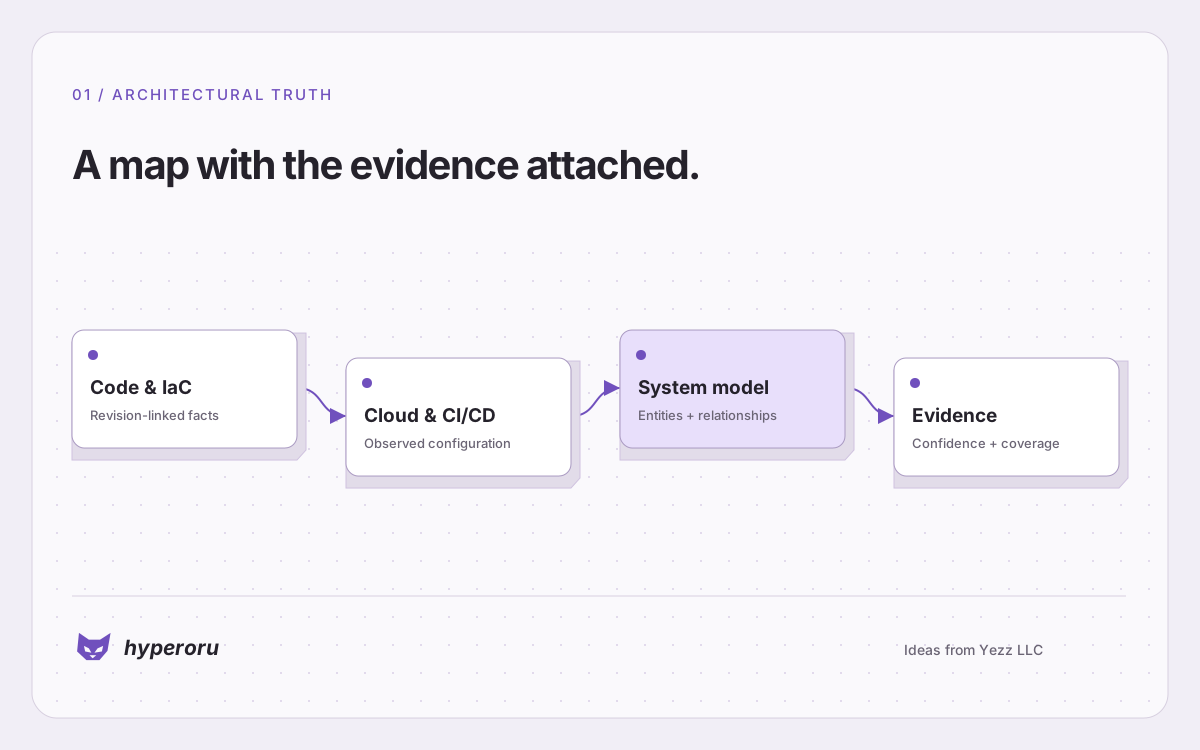
Every review should identify the repository commit, upload digest, cloud observation time, scanner version, policy version, and context hash that produced it. Without those identities, the team cannot tell whether an apparent change comes from the system, the sensor, or the analysis workflow.
Review coverage before reviewing conclusions
Check which sources were available, which scanners ran, which languages and manifests were observed, and where collection failed. A completed workflow can still contain a meaningful coverage gap. That gap should appear beside the conclusion rather than in a buried log.
- Confirm source freshness and exact revision.
- Confirm required scanner execution and version.
- Inspect unresolved identity collisions and contradictions.
- Review new trust-boundary crossings and reachable paths.
- Assign every accepted action to an owner and review date.
Separate findings from structural change
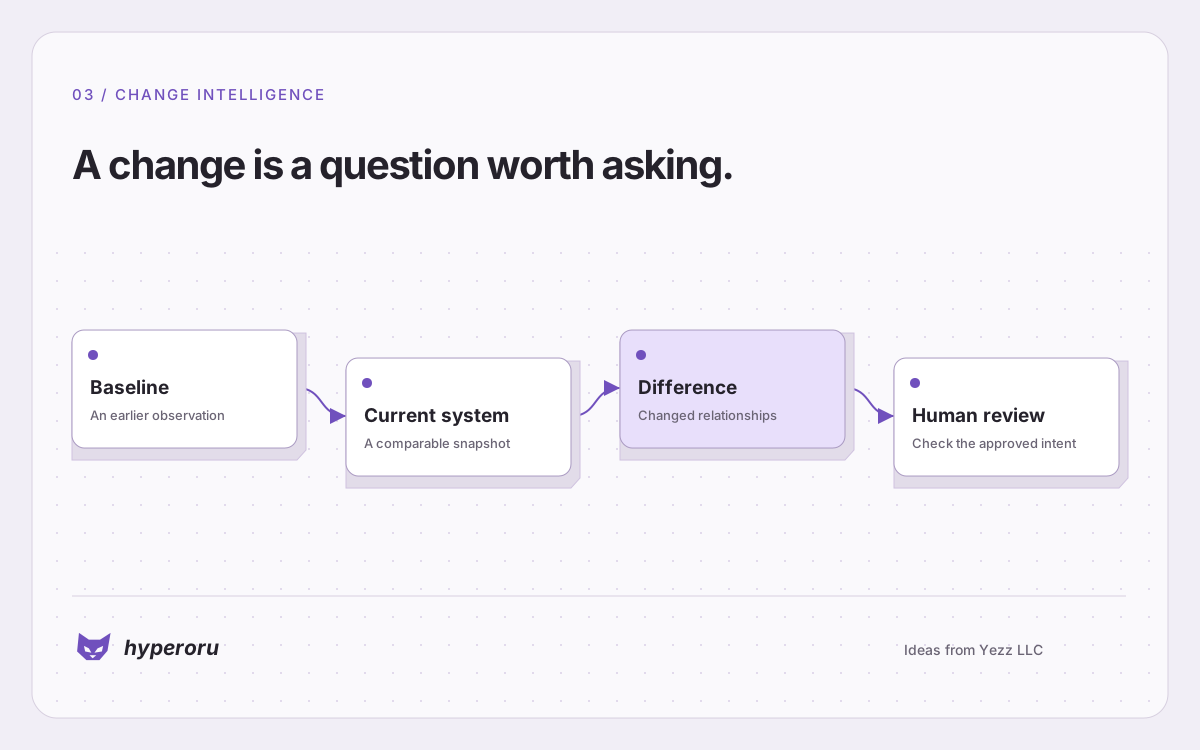
A new vulnerability is one kind of change. A new public route, privileged identity, datastore dependency, deployment path, or agent tool can change the system's risk even when no scanner produces an alert. Track architecture diffs alongside finding lifecycle.
Close the loop with a decision record
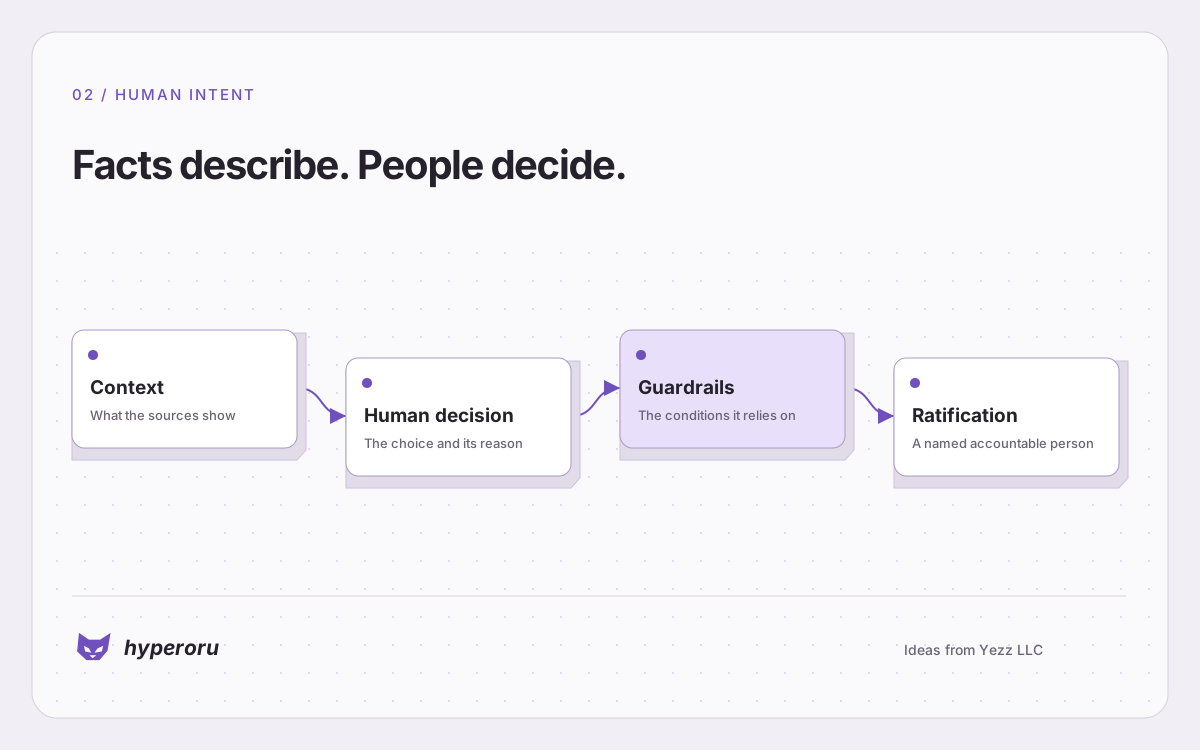
Approval should preserve what the team knew, which gaps remained, who accepted the conclusion, and what follow-up was prepared. A remediation proposal should stay inert until an authorised person confirms publication. The next review can then compare both the system and the decisions made about it.
Continuous review means the evidence, assumptions, and ownership remain current between major architecture meetings.
Read further
 Yasser TahiriCEO, Hyperoru
Yasser writes about building understandable software, connecting architectural evidence, and keeping people accountable for the decisions that shape a system.
About the company