Architecture / 8 min read
Architecture intelligence vs security scanners: different jobs, shared evidence
How code, repository, and cloud security tools work with architecture intelligence—without pretending one category can replace every other tool.
Begin with the primary job
Code security platforms are built to find and help remediate weaknesses in code, dependencies, and secrets. Repository-native security keeps those signals close to pull requests and source-control policy. Cloud security platforms discover resources, exposure, identities, data, and runtime conditions.
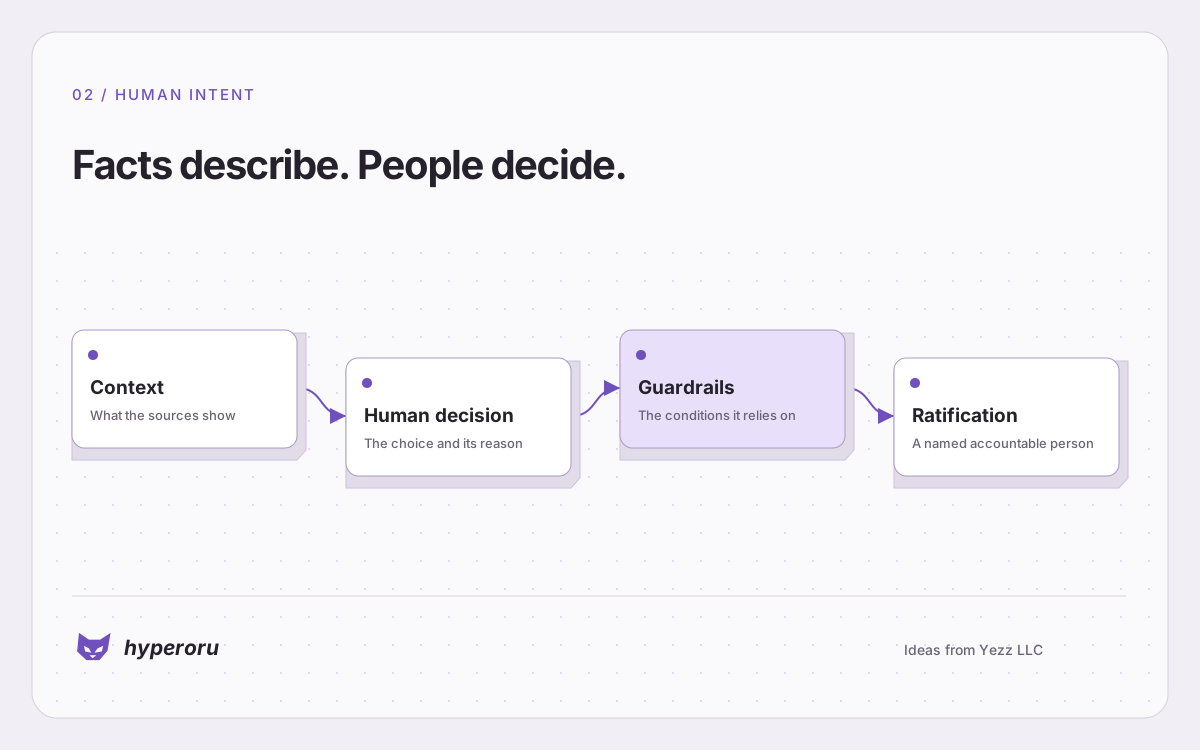
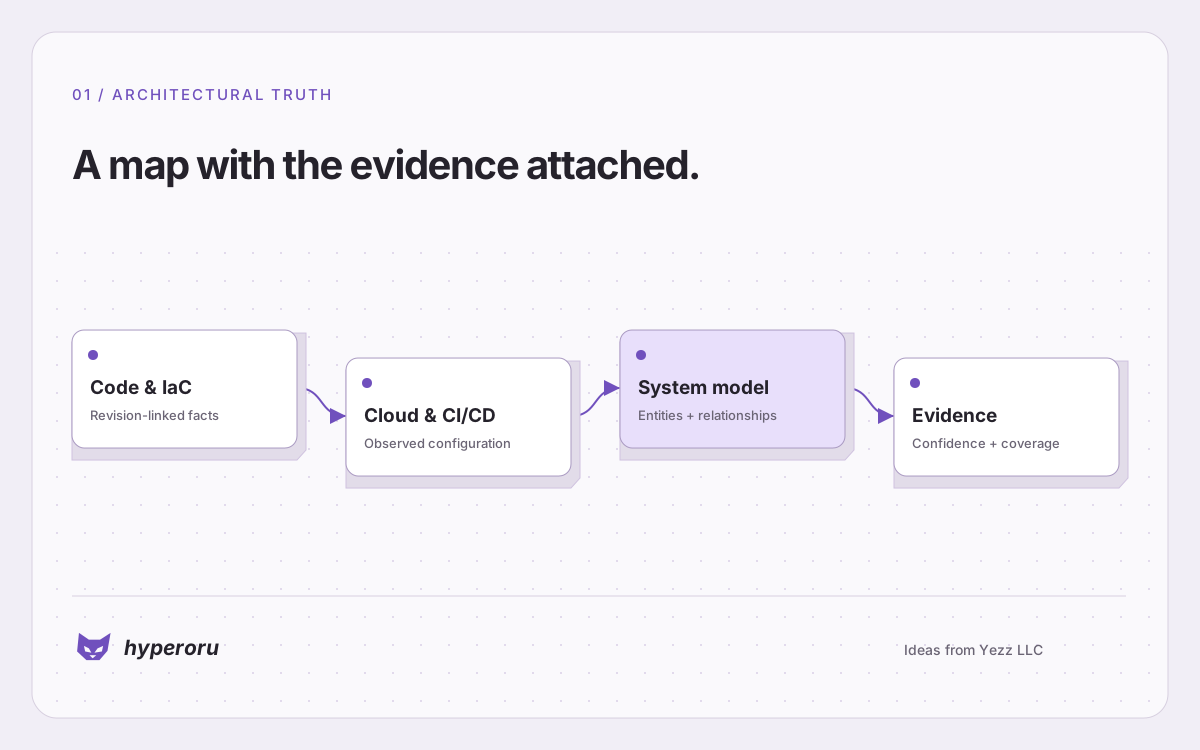
Architecture intelligence has a different primary job. It reconciles identities and relationships across those sources, preserves contradictions and history, and assembles the context required for a review decision.
A scanner observation should remain an observation
A scanner has deep knowledge of its detection domain. That result should enter the architecture model with its tool, version, source, location, severity, and evidence intact. Hyperoru does not need to recreate the scanner to add system context.
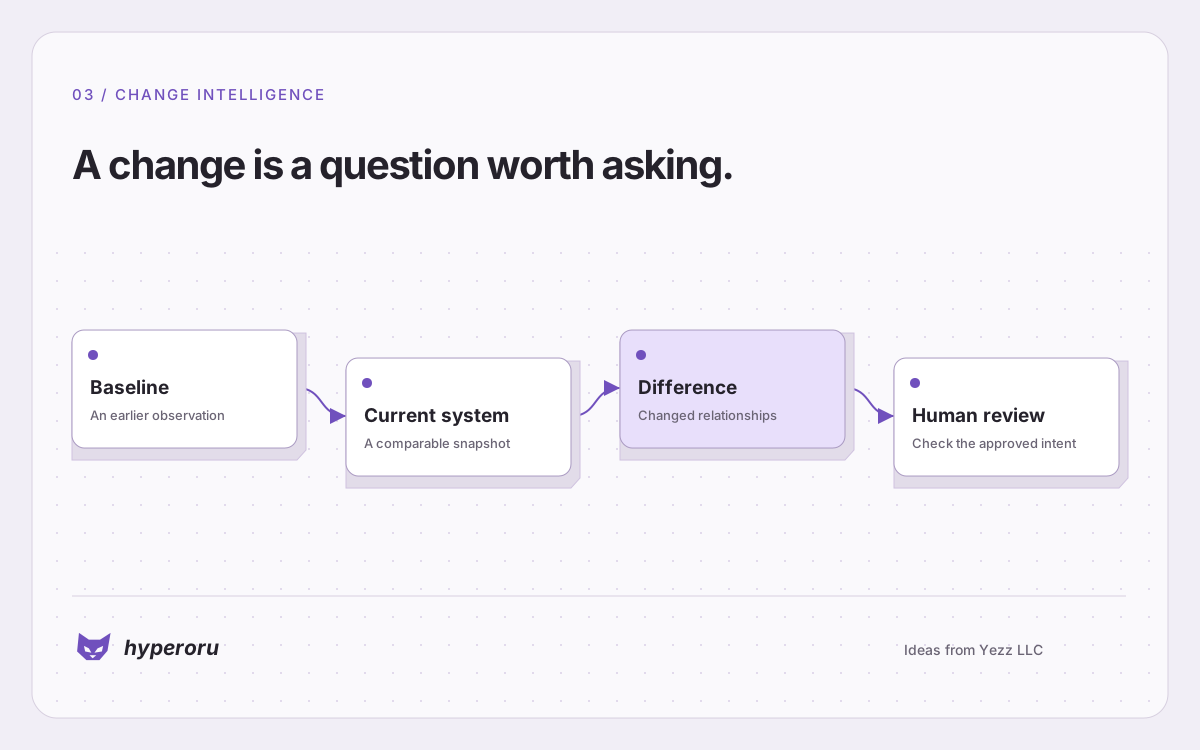
The architecture layer can then ask which service contains the issue, whether the affected path is reachable, what identity it uses, which data lies downstream, who owns the decision, and whether another source contradicts the assumption.
Compare categories without a feature-count table
A fair evaluation uses the question each product is designed to answer. Ask a code security product about detection precision and developer workflow. Ask a cloud platform about asset coverage and attack paths. Ask Hyperoru whether it can explain a material relationship, reconcile evidence, and produce a governed decision record.
- Use the same repository, cloud boundary, and decision question.
- Record what each product observes directly and what it infers.
- Inspect evidence accessibility, not only the final severity label.
- Include integration effort, review effort, and action authority.
The combined operating model
Let specialist products remain good sensors. Send their structured output into a tenant-scoped evidence contract. Reconcile the observations into current architectural truth. Use bounded AI to explain consequence and propose next steps. Keep approval and publication with the authorised team.
That operating model reduces context rebuilding without asking one vendor to become the source of every technical fact.
Read further
 Yasser TahiriCEO, Hyperoru
Yasser writes about building understandable software, connecting architectural evidence, and keeping people accountable for the decisions that shape a system.
About the company