Decisions / 2 min read
Context explains the system. Intent explains the choice.
Separate observable system facts from human decisions. Record the rationale, trade-offs, guardrails, and named approval behind an architecture choice.
Two questions that need different answers
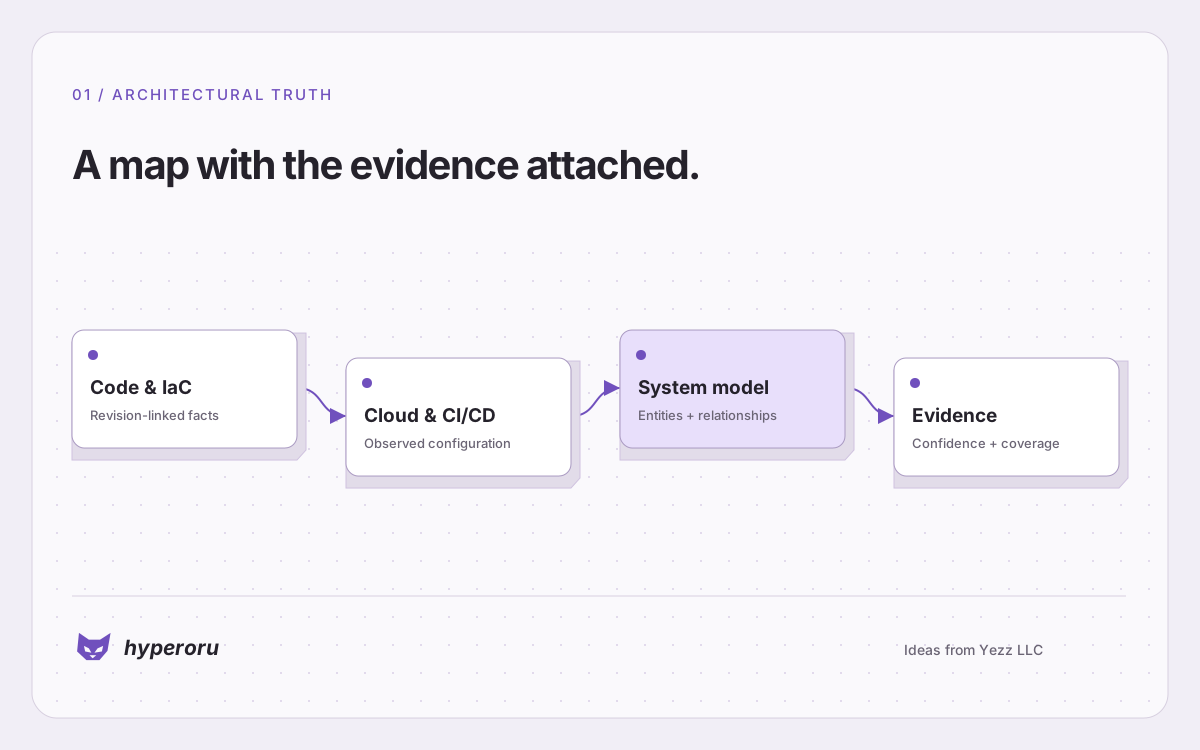
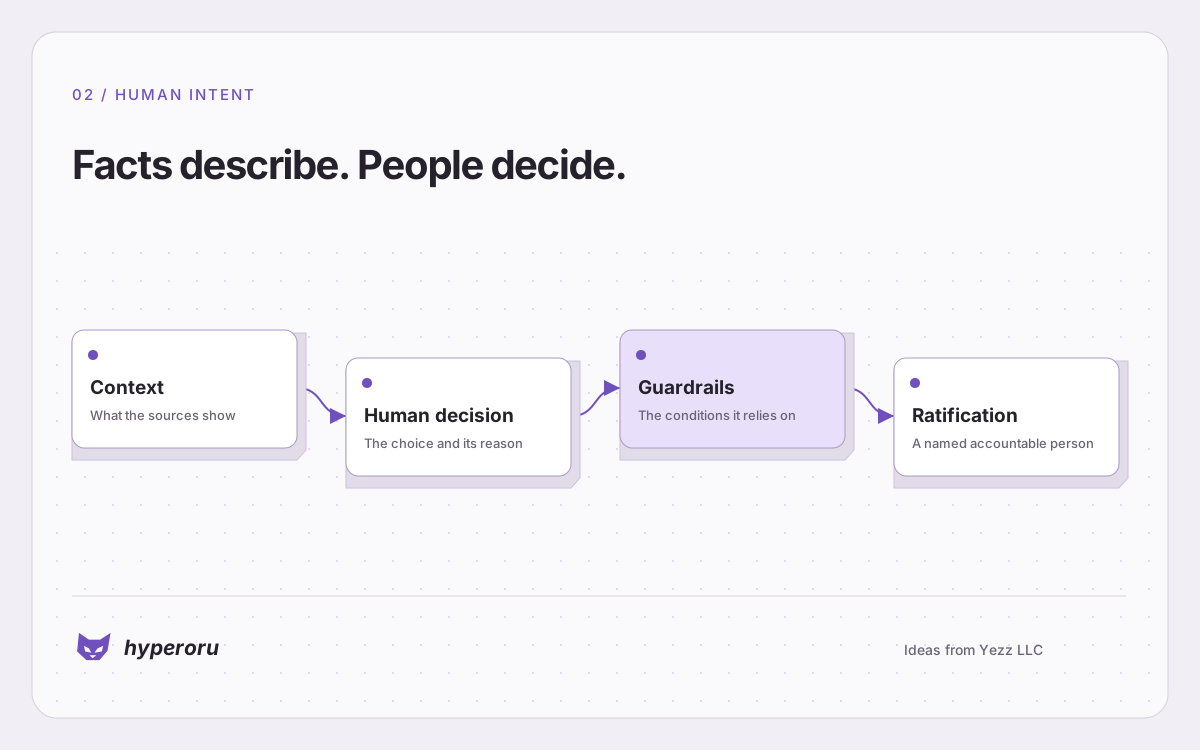
Context asks what exists, how it connects, and which constraints surround it. Intent asks which decision a person made in response, why they made it, and which trade-offs they accepted. Keeping these questions separate makes a review easier to challenge and improve.
Hyperoru can derive context from connected sources. It cannot observe a person's reasoning by reading the resulting code. A plausible explanation remains a proposal until someone accountable confirms it.
The gateway example
An API has no authentication middleware. That fact alone does not tell you whether the design is intentional, incomplete, or wrong. The team may explain that an authenticating gateway is the only public entry point and that the API trusts that boundary to avoid duplicate work.
Now there is a decision to review. The rationale concerns latency. The trade-off is trust in the gateway. The guardrail is that every public request must pass through the gateway and that no direct public route reaches the API.
Make approval a visible action
Record the observed facts, the intended decision, the reason for it, an alternative, the accepted trade-off, and the required guardrail. Attach the relevant observations and name the accountable owner. This creates a proposal.
An authorized person then reviews the proposal, deliberately selects the option, and supplies an approval rationale. The resulting record should preserve who approved it and when. A later revision needs a fresh review; the old approval should not silently carry over to a different decision.
Check the guardrail as the system changes
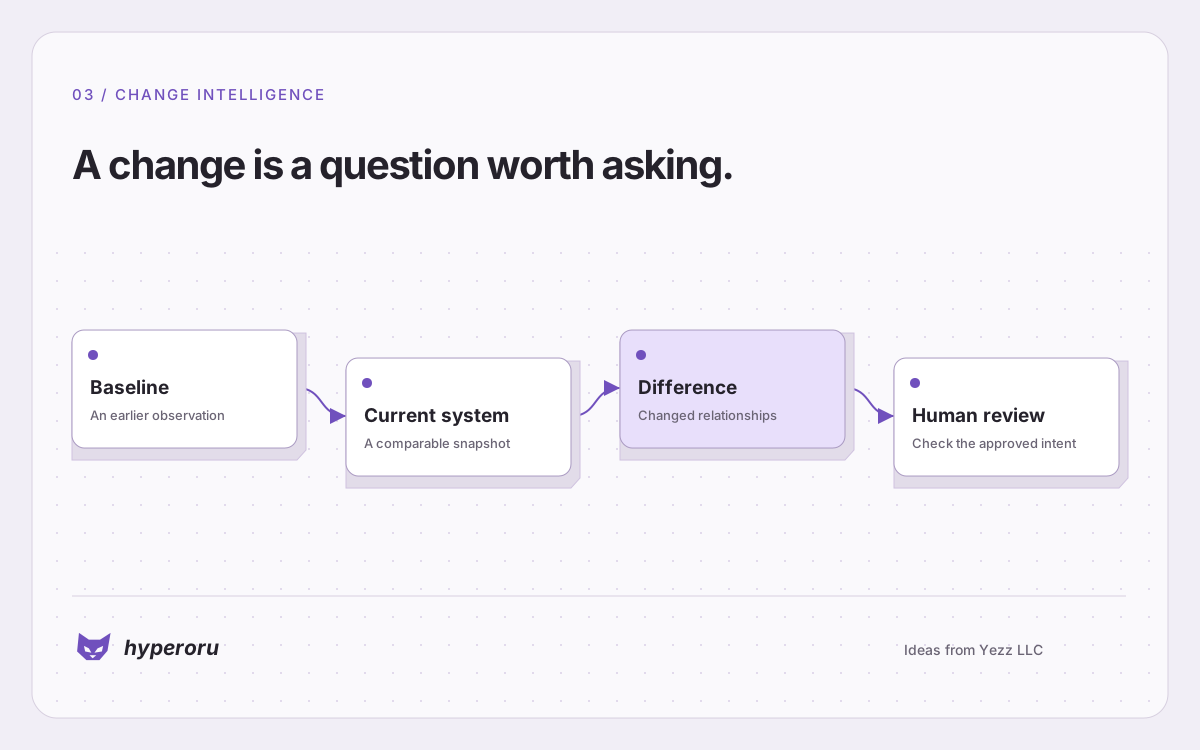
Suppose a later snapshot contains a new route that reaches the API directly. The important question is whether the evidence now conflicts with the approved gateway-only boundary. The decision record supplies the reasoning that makes this change meaningful.
Structured criteria can be checked against supported observations. A free-text guardrail still needs a human review, and missing evidence should keep the outcome inconclusive. Neither a reassuring status nor a risk label should replace that distinction.
Read further
 Yasser TahiriCEO, Hyperoru
Yasser writes about building understandable software, connecting architectural evidence, and keeping people accountable for the decisions that shape a system.
About the company